.png)
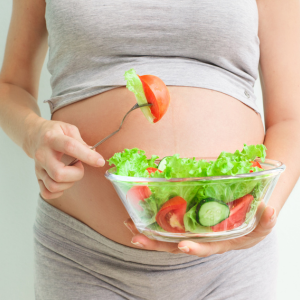
Foods to Eat and Avoid During Pregnancy – A Complete Guide for Expecting Mothers
Pregnancy is one of the most beautiful and transformative phases in a woman’s life. Along with excitement and anticipation, it brings a strong sense of responsibility — especially when it comes to food and nutrition.
What you eat during pregnancy directly affects your baby’s growth, brain development, and overall health. That’s why following a balanced and safe diet is an essential part of maternity care.
At Square Hospital & IVF Center, led by Dr. Ashik Barade, we guide expecting mothers through personalized diet and nutrition plans as part of our maternity care services in Nagpur. Here’s a detailed look at the best foods to include and avoid for a healthy, happy pregnancy.
Why a Healthy Diet Matters During Pregnancy
During pregnancy, your body requires extra nutrients, vitamins, and minerals to support both you and your baby. A healthy diet helps in:
Good nutrition is the foundation of a safe and healthy pregnancy journey.
Foods to Eat During Pregnancy
Here’s a list of nutrient-rich foods that should be part of your daily meals during pregnancy.
1. Fruits and Vegetables
Rich in vitamins, minerals, and fiber, they aid digestion and provide antioxidants.
Examples: Apples, bananas, oranges, carrots, spinach, and beetroot.
2. Whole Grains
Whole grains provide complex carbohydrates, fiber, iron, and B vitamins that help maintain your energy levels.
Examples: Oats, brown rice, wheat, quinoa, and whole-grain bread.
3. Protein-Rich Foods
Protein supports your baby’s cell and tissue development.
Examples: Eggs, lean meat, fish (cooked properly), paneer, lentils, beans, and chickpeas.
4. Dairy Products
Calcium is vital for your baby’s bones, teeth, and heart development.
Examples: Milk, curd, cheese, and fortified plant-based milk (if you’re lactose intolerant).
5. Iron and Folic Acid-Rich Foods
Iron prevents anemia, while folic acid helps prevent birth defects.
Examples: Green leafy vegetables, pomegranate, beetroot, jaggery, lentils, and fortified cereals.
At Square Hospital & IVF Center, Dr. Ashik Barade may also recommend prenatal supplements as part of your prenatal care plan in Nagpur to ensure adequate nutrition.
6. Healthy Fats
Omega-3 fatty acids support your baby’s brain and eye development.
Examples: Walnuts, chia seeds, flaxseeds, and cooked fish like salmon.
7. Hydration
Drinking enough water prevents dehydration, fatigue, and urinary tract infections.
Aim for 8–10 glasses of water daily and include fluids like coconut water, fresh fruit juices, and soups.
Foods to Avoid During Pregnancy
Certain foods can pose risks to your health and your baby’s development. Avoiding them helps prevent infections and complications.
1. Raw or Undercooked Meat, Fish, and Eggs
These may contain harmful bacteria or parasites that cause infections like toxoplasmosis or salmonella.
Avoid: Raw sushi, half-boiled eggs, and undercooked meat.
2. Unpasteurized Dairy Products
They can carry Listeria bacteria, which may cause pregnancy complications.
Avoid: Unpasteurized milk, soft cheeses (like brie or feta), or raw curd.
3. High Mercury Fish
Certain fish contain high levels of mercury, which can harm your baby’s brain and nervous system.
Avoid: Shark, swordfish, king mackerel, and tuna (especially raw).
4. Caffeine and Alcohol
High caffeine intake increases the risk of low birth weight and miscarriage, while alcohol can lead to fetal development issues.
Limit caffeine to 1 cup/day and completely avoid alcohol.
5. Processed and Junk Foods
While cravings are common, processed foods are high in salt, sugar, and unhealthy fats.
Avoid: Chips, aerated drinks, sweets, instant noodles, and packaged snacks.
6. Street Foods or Unhygienic Meals
Eating unhygienic food can cause food poisoning or infections. Always choose freshly prepared home-cooked meals during pregnancy.
Expert Advice from Dr. Ashik Barade
At Square Hospital & IVF Center, Nagpur, we believe in providing holistic maternity care that includes:
Your doctor will assess your nutritional requirements and guide you on what’s best for you and your baby.
Frequently Asked Questions (FAQs)
1. Can I eat spicy food during pregnancy?
Yes, in moderation. Spicy food won’t harm your baby but may cause heartburn or acidity in some women.
2. How can I deal with pregnancy cravings safely?
Choose healthy alternatives like fruits, nuts, and homemade snacks to satisfy cravings without harming your health.
3. Is it safe to drink coffee or tea?
One small cup of coffee or tea a day is usually safe, but it’s best to discuss it with your doctor.
4. Should I follow a vegetarian or non-vegetarian diet?
Both can be healthy. What matters is getting enough protein, vitamins, and minerals — whether from plant-based or animal sources.
5. Do I need supplements if I eat a balanced diet?
Yes, prenatal vitamins like folic acid and iron are essential even with a balanced diet to meet your body’s extra demands during pregnancy.
Conclusion
Healthy eating during pregnancy isn’t about restriction — it’s about balance. By choosing the right foods, avoiding harmful ones, and following your doctor’s advice, you ensure a safe pregnancy and a healthy baby.
At Square Hospital & IVF Center, Nagpur, we offer complete maternity care services, including nutritional guidance, prenatal check-ups, and delivery care — all under one roof.
Book your consultation with Dr. Ashik Barade today!
Call: +91 9130123423 / 7030169327
Visit: Plot No. 20/21, Awasthi Nagar Square, Opp. Haldiram’s, Nagpur – 13
Because every mother deserves expert care, compassionate support, and a healthy start for her baby.