.png)
Laparoscopic Surgery vs Traditional Surgery: Benefits and Risks
Medical advancements have transformed the way surgeries are performed today. One of the most significant developments is laparoscopic surgery, often called keyhole or minimally invasive surgery. Unlike traditional (open) surgery, this technique uses small incisions, a camera, and specialised instruments to perform procedures with greater precision and faster recovery.
At A Square Hospital and IVF Centre, Nagpur, we specialise in laparoscopic gynaecological and infertility-related surgeries, ensuring safer and quicker recovery for our patients.
Let’s understand how laparoscopic surgery differs from traditional surgery — and which might be right for you.
What Is Laparoscopic Surgery?
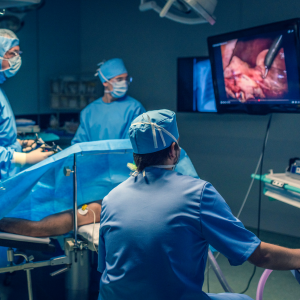
Laparoscopic surgery involves making small incisions through which a tiny camera (laparoscope) and surgical tools are inserted. The surgeon views the inside of the body on a screen, allowing for high accuracy and minimal trauma.
It is commonly used for:
What Is Traditional (Open) Surgery?
In traditional surgery, the surgeon makes a larger incision to access the affected area directly. While it allows a broader view of the organs, it usually involves more blood loss, longer hospital stays, and extended recovery periods.
Laparoscopic Surgery vs Traditional Surgery: Key Differences
|
Parameter |
Laparoscopic Surgery |
Traditional Surgery |
|
Incision Size |
Small (0.5–1 cm) |
Large (5–10 cm or more) |
|
Scarring |
Minimal |
Visible scars |
|
Blood Loss |
Very less |
Comparatively more |
|
Pain & Discomfort |
Mild |
Moderate to severe |
|
Hospital Stay |
Short (1–2 days) |
Longer (5–7 days) |
|
Recovery Time |
Fast (within a week) |
Slow (several weeks) |
|
Risk of Infection |
Lower |
Higher |
|
Cost |
Slightly higher but cost-effective overall |
Generally lower upfront cost |
Benefits of Laparoscopic Surgery
Minimal Scarring: Small incisions mean almost invisible scars.
Faster Recovery: Most patients return to daily activities within a week.
Less Pain and Blood Loss: Advanced tools minimise tissue damage.
Shorter Hospital Stay: Early discharge means reduced hospital costs.
Lower Risk of Infection: Smaller wounds heal faster and more safely.
Risks and Limitations
Like any medical procedure, laparoscopic surgery also has potential risks, such as:
Possibility of internal injury (rare)
Complications from anaesthesia
Conversion to open surgery if visibility is limited
However, when performed by an experienced laparoscopic surgeon, these risks are minimal.
When Is Traditional Surgery Still Preferred?
In some complex or emergency cases, traditional surgery may still be the better choice — for example, when:
Your gynaecologist or surgeon will help decide the safest and most effective option for your specific condition.
Conclusion
Laparoscopic surgery has revolutionised women’s healthcare by making treatments less painful, more precise, and quicker to recover from. At A Square Hospital and IVF Centre, our team of skilled gynaecologists and laparoscopic surgeons ensures that every woman receives safe, modern, and compassionate care.
Address: Plot No. 20/21, Awasthi Nagar Square, Opp. Haldiram’s, Nagpur – 13
Call: +91 9130123423 / 7030169327